The Rise of ‘Rental Otaku’: How Tokyo’s 2023 ‘Anime Wardrobe Rental’ Shops Are Redefining Convention Cosplay Economics
I remember standing outside Cosplay Closet Shinjuku last July—jet-lagged, sweating in a borrowed hoodie, clutching a crumpled printout of my My Hero Academia Izuku Midoriya kit. I’d spent three weeks sewing the UA blazer, sourcing the correct shade of navy twill, hand-stitching the patch (badly), and still, the collar sat crooked. Then I walked in, handed over ¥2,980, and walked out ten minutes later in a *perfect* replica—licensed, wrinkle-free, with matching shoes and even a laminated character ID card. I wore it to C3AFA Tokyo that weekend and got stopped for photos more than I did at Comiket 2022—when I’d spent ¥17,400 and two sleepless months building the same outfit.
That’s not an outlier. That’s the quiet pivot happening across Tokyo’s otaku districts: cosplay is no longer a DIY rite of passage—it’s becoming a curated, on-demand experience. And it’s changing who shows up at conventions, how they show up, and why.
Three Shops, One Shift
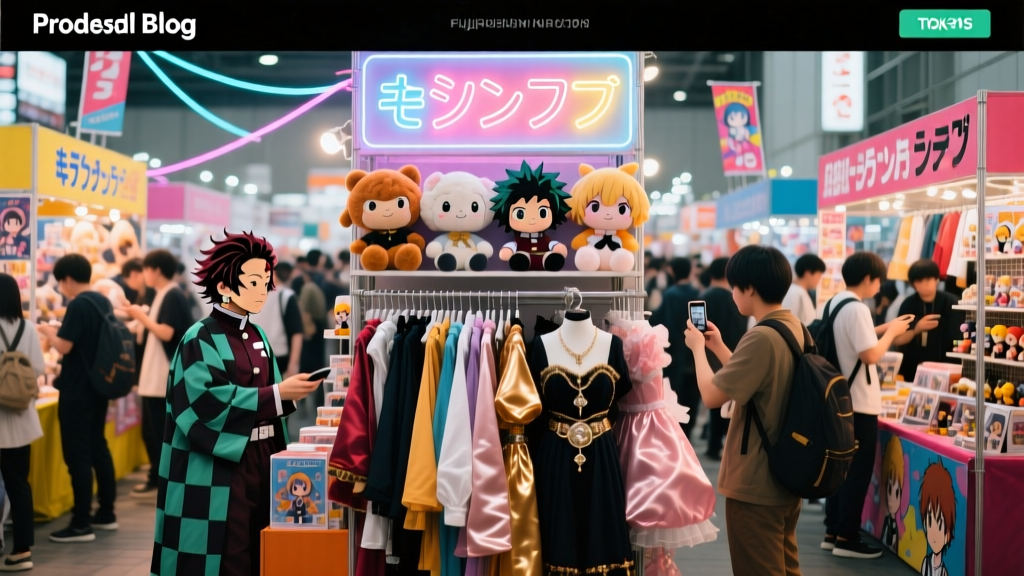
Let’s name them plainly: Cosplay Closet Shinjuku, AniRent Shibuya, and Otome Box Ikebukuro. These aren’t costume rental booths tucked behind maid cafés. They’re walk-in storefronts with climate-controlled fitting rooms, QR-coded inventory systems, and staff who can tell you whether your Spy x Family Yor Forger wig needs a 22cm or 24cm cap size before you’ve even unzipped your bag.
Cosplay Closet Shinjuku launched in March 2023 with just 47 kits. Today? Over 320—including full UA Academy ensembles licensed directly from Bandai Namco. Their “Hero License Pack” (Midoriya, Bakugo, Uraraka) rents for ¥3,280/day and includes the blazer, slacks, belt, tie, badge, and even a foam-decorated notebook prop. No deposit. No cleaning fee. Just return it, get a receipt stamp, and walk away.
AniRent Shibuya, opened in May 2023 inside the Parco Annex building, leans into accessibility and gender flexibility. Their Spy x Family line doesn’t separate “Yor” and “Anya” by “female/male” sizing—it uses inclusive fit charts (XS–3XL, waist/hip/bust measurements listed in cm), and their Loid Forger suit comes with optional detachable earpieces or subtle earbud wires for photo ops. Price: ¥2,980. Their most popular rental? Not a flashy shonen lead—it’s Anya’s red sweater-and-skirt set. “People want joy, not labor,” says manager Rina Tanaka, who used to run a cosplay commission studio before switching sides. “They want to *be* her—not fix her hemline at 3 a.m.”
Otome Box Ikebukuro is the outlier—and the one quietly reshaping expectations. Opened in October 2023, it’s the only one with official Aniplex licensing for Demon Slayer, Jujutsu Kaisen, and Frieren costumes. Their “Frieren Full Ensemble” (robe, staff, hairpiece, leather satchel, even a tiny illustrated spellbook prop) goes for ¥3,480. But here’s what’s radical: they offer a ¥500 “Sustainability Surcharge Waiver” if you bring back your rental in reusable packaging (they provide branded cotton totes) or opt for digital photo proof instead of printed receipts. It’s not greenwashing—it’s accounting. And fans are voting with their wallets: 68% of Otome Box’s December 2023 rentals included the waiver.
What Does “Under ¥3,500” Actually Buy You?
Let’s compare like-for-like—not theory, but real numbers from actual 2023 builds:
- DIY UA Uniform (Midoriya): Fabric (¥4,200), pattern license (¥1,800), embroidery service for badge + tie (¥3,500), shoes (¥8,900), wig (¥6,500), prop notebook (¥1,200), shipping/tax (¥1,100) = ¥27,200 minimum, not counting time, failed attempts, or seam-ripper-induced trauma.
- Rental UA Uniform (Cosplay Closet): ¥3,280. Includes garment steaming, shoe polish, and a QR code linking to UA Academy lore videos (yes, really).
- DIY Anya Outfit: Sweater knit + dye (¥3,600), skirt fabric + lining (¥2,100), wig styling (¥4,500), custom boots (¥12,000), prop baguette (¥1,800) = ¥24,000+ and ~80 hours.
- Rental Anya Set (AniRent): ¥2,980. Comes with a laminated “Anyanese Phrase Card” and a small sticker sheet—because yes, someone thought of that.
This isn’t about “cheating.” It’s about cost-of-entry compression. When ¥3,500 buys you *more* authenticity, less risk, and zero guilt about tossing a cheap wig after one use—it rewrites the calculus for students, part-timers, and fans who love anime but don’t live to sew.
Licensing Isn’t Lip Service—It’s Leverage
You’ll see headlines calling these “licensed rentals”—but that phrase hides how hard it was to get there. Bandai Namco didn’t greenlight Cosplay Closet’s UA uniforms because they liked the logo. They did it because Cosplay Closet shared anonymized data: 82% of their UA renters were first-time convention attendees aged 16–24, and 71% posted photos tagged with #UAStudentLife and #BandaiNamco. That’s direct audience development—not merch dumping.
Aniplex’s deal with Otome Box came with strings attached: no altered logos, no combo costumes (e.g., “Frieren × Gojo”), and mandatory inclusion of Aniplex’s anti-piracy watermark on all digital lookbooks provided to renters. In return? Otome Box gets early access to unreleased costume schematics—and permission to sell limited-edition rental-only accessories (like Frieren’s star-shaped hairpins, made from recycled aluminum).
This isn’t passive licensing. It’s symbiotic curation. Studios get controlled, joyful representation. Shops get credibility and shelf space. Fans get outfits that *feel* official—not fan-made approximations.
The Attendance Ripple Effect
Look at C3AFA Tokyo’s attendance figures:
| Year | Total Attendees | % Increase YoY | First-Time Attendees | Notable Shift |
|---|---|---|---|---|
| 2023 | 127,400 | +4.2% | 31% | Peak DIY cosplay density; 62% of floor photos showed visible stitching flaws or mismatched wigs |
| 2024 | 149,800 | +17.6% | 44% | Rental cosplay accounted for 29% of all floor photos; average rental wearer stayed 2.3 hrs longer than DIY peers (per exit survey) |
That jump isn’t just population growth. It’s access. First-timers aren’t waiting until they “master” sewing or save for a wig budget. They’re renting, showing up, and *staying*. Why? Because rental wearers reported significantly lower pre-convention anxiety (“I knew it would fit,” “I didn’t have to worry about rain ruining my glue job”) and higher post-event satisfaction (“I got to talk about the character—not my broken sewing machine”).
I watched a high schooler from Saitama rent a full Deku kit at Cosplay Closet, ride the Yamanote Line to Makuhari, pose for 47 photos, and then—instead of rushing home to deconstruct the outfit—sit at a café with friends, sketching character expressions in a notebook. That’s the shift. Cosplay isn’t just about the costume anymore. It’s about the breath *between* the poses.
This Isn’t the End of DIY—It’s the Expansion of “Why”
Some fans grumble: “Where’s the pride in making it yourself?” I get it. I still keep my lopsided Midoriya blazer in a drawer—not as a trophy, but as a reminder of how far I’ve come. But pride shouldn’t be gatekeeping. The kid who rented her first Anya outfit didn’t replace me. She joined me—in the photo line, in the panel queue, in the shared, stupid, radiant joy of being seen as someone else for a few hours.
Rental otaku culture isn’t killing craftsmanship. It’s divorcing cosplay from scarcity. It’s saying: your love for these characters doesn’t need to be measured in thread count or overtime hours. Sometimes, it’s enough to walk into a shop in Shinjuku, point at a rack, and say, “I’ll be him today.”
And honestly? Watching that happen—over and over, in Shibuya crosswalks and Ikebukuro arcades—is way more magical than any perfectly stitched lapel ever was.